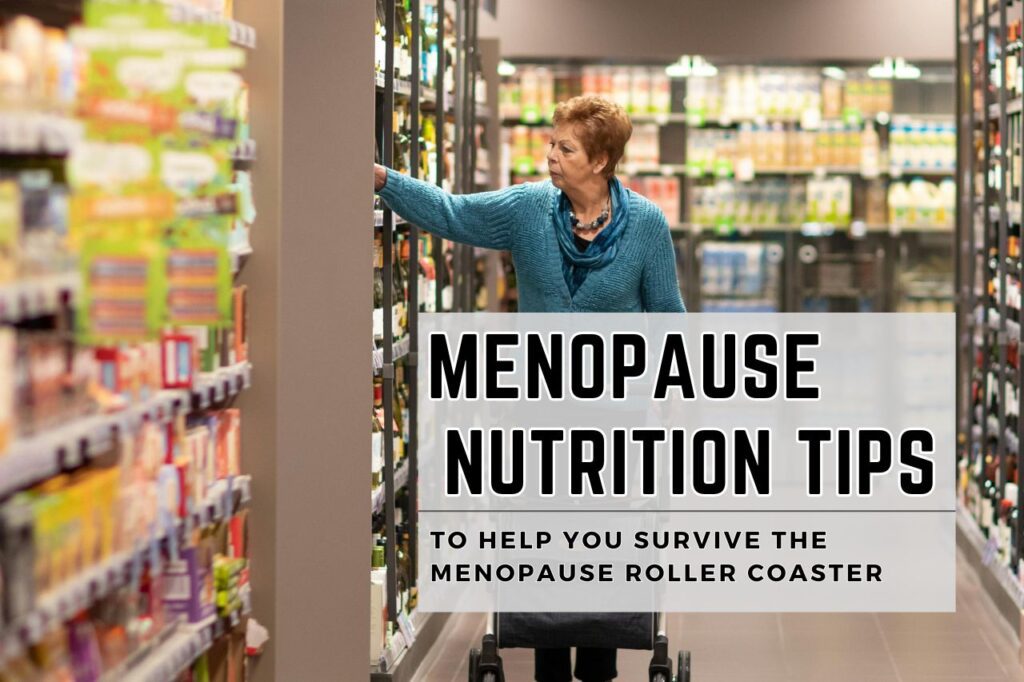
Nutrition Tips for Surviving the Menopausal Roller Coaster
I wrote a previous article on this blog about the importance of protein for healthy aging for women and men. Menopause causes even more nutritional challenges for women because hormonal changes can affect how your body absorbs and processes food to fuel your body. The foods that you relied on when you were younger may cause weight gain and hot flashes and may leave your energy tank feeling empty.
During menopause a nutritious diet can increase energy levels, improve sleep quality, reduce weight gain, and help with mood swings. In addition to lean protein, a diet that incorporates complex carbohydrates, fiber, omega-3 fatty acids, and calcium can help you survive the menopausal roller
coaster ride. You want to focus on eating whole, fresh foods from nature (shopping on the outside aisles of the grocery store) while eliminating processed foods.
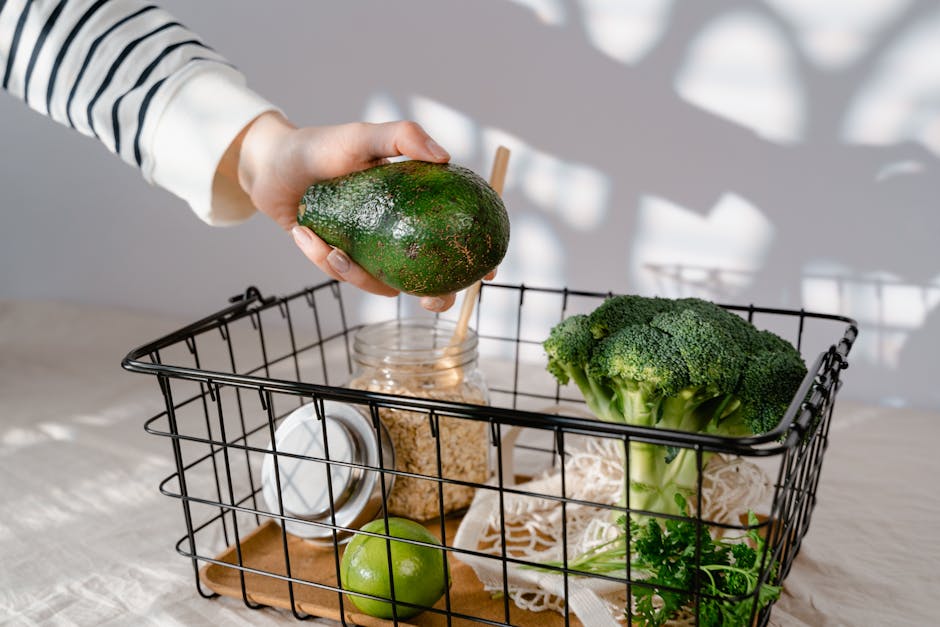
Lean Protein
Muscle mass and strength begins to decline in your 30s. When women reach menopause and lose estrogen, that accelerates this process. In addition to physical activity, a diet that is high in lean protein can help support muscle mass.
Examples include:
- Lean poultry, pork and beef
- Eggs
- Fish
- Beans & Legumes
- Low-fat dairy
- Tofu
- Nuts
Complex Carbohydrates and Fiber
Complex carbohydrates are nutrient dense, differing from simple carbohydrates in that they are digested more slowly, which makes you feel full and provides a steady release of sustained energy. Fiber offers many health benefits including digestion, weight management and blood sugar control.
Examples include:
- Whole grains such as brown rice, quinoa and oats
- Starchy vegetables such as sweet potatoes, corn and squash
- Vegetables such as broccoli, cauliflower, asparagus, brussels sprouts
- Fruits such as bananas, apples and berries
Omega-3 Fatty Acids
These essential fats are good for reducing inflammation and improving heart health and brain function.
Good sources of these fats include:
- Fatty fish such as tuna, mackerel, sardines, and salmon
- Plant-based sources such as chia seeds, walnuts and flaxseeds
Calcium
Reduced estrogen production in menopause can lead to less calcium absorption and even calcium loss. Calcium supports bone health to minimize the chances of osteoporosis.
Good calcium sources include:
- Dairy products such as milk, yogurt and cheese
- Green leafy vegetables such as spinach, collard greens, broccoli and kale
- Tofu and almonds
The menopausal roller coaster is not a fun ride, but fueling your body with good nutrition may help you have a smoother ride. The recipe I’m including with this article is a nutritionally balanced entrée. Serve it with a side of brown rice or quinoa, and you’ll have a meal that includes something from each category above!
Are you interested in reading more of my articles? Check them out here!
Salmon and Spinach Stuffed Portobellos
Ingredients
- 2 large portobello mushrooms
- 10 oz frozen spinach
- 2 tbsp onions minced
- 6-8 oz salmon filet
- 3 tbsp cream cheese
- 1 tbsp olive oil extra virgin
- sea salt and pepper to taste
- 1 tbsp lemon juice
- 1 pat butter
Instructions
- Preheat oven to 400 degrees. Place salmon on a baking sheet and add salt, pepper, butter, and a drizzle of lemon juice. Cook salmon for 10 minutes, or until it reaches a temperature of 145 degrees. While the salmon is cooking, clean the mushrooms, remove the stems, and scrape out the gills with a spoon. Brush the mushroom tops with olive oil, add salt and pepper, and heat them over medium heat in a pan on the stovetop until the tops are slightly browned and softened.
- Reduce oven to 375 degrees after salmon is done. While the salmon cools, cook spinach according to package directions in the microwave. Drain in a colander and squeeze out the water. Stir in the onions, salt, pepper, and cream cheese and put back into the microwave just long enough to melt the cheese.
- Chop the cooled salmon and fill each mushroom cap with it. Top with the spinach mixture. Place the stuffed mushrooms in a loaf pan. Bake uncovered at 375 degrees for 20-25 minutes.
Previous Articles in This Series:
- Postmenopause and Insomnia: How to get More Quality Sleep
- Menopause Education: Supportive Care in a Challenging Time
- Wellness in Midlife: Staying Strong in Menopause and Perimenopause
- Subscribe below to stay in the loop
- Share this post with a friend

Lisa Woodie
About the Author:Chef Lisa Woodie, owner of Homemade Fresh, LLC, provides tips and recipes to nourish your body with whole food fuel. She relocated her business to the Hendersonville area in 2022 after serving clients in Charlotte for 11 years. Homemade Fresh is a meal preparation business that personalizes meal plans based on each client’s tastes, preferences, and dietary requirements. She plans your meals, shops for the ingredients, prepares and packages the meals, and leaves them in your refrigerator with easy heat-and-eat instructions. She also provides service for dinner parties, paired food and wine tastings, events with hors d’oeuvres, and other types of catered events. For more information, visit www.homemadefresh.net.

Top Tips To Keep Your Bones Healthy And Strong

Weight Training for Osteopenia: How To Build Stronger Bones
Protein and Bone Health: A Simple Guide

Hydration, Menopause, and Bone Health: The Connection

Lateral Breathing for Core Engagement: A Complete Guide