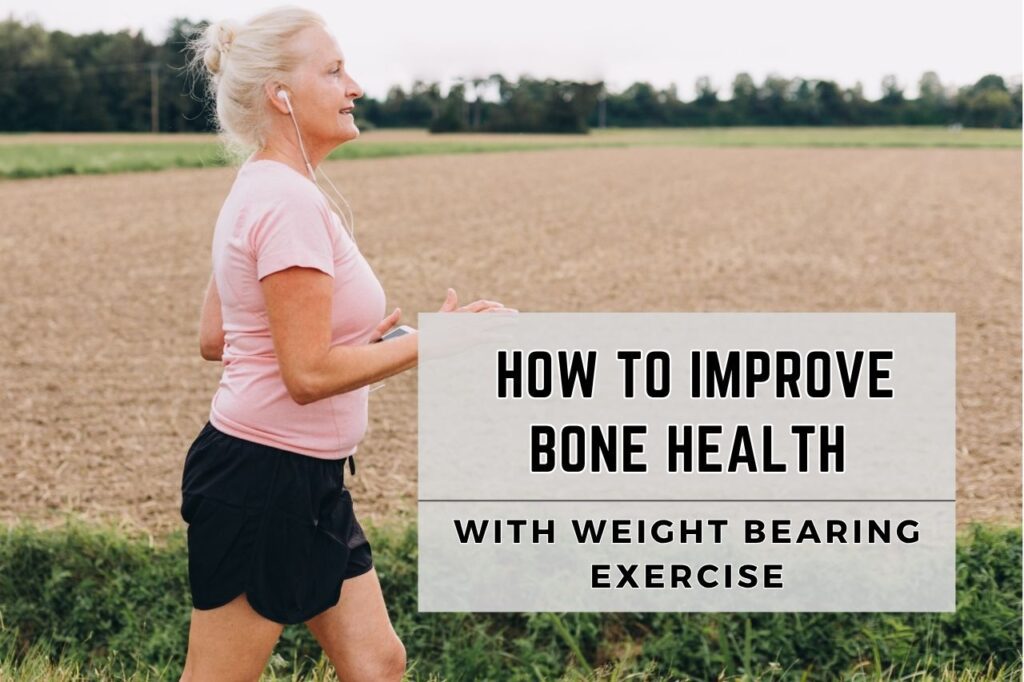
How To Improve Bone Health With Weight Bearing Exercise
Bone density and weight bearing exercise are closely linked, the more you move against gravity, the stronger your bones become. The current research and statistics on bone health for the post menopausal woman is quite shocking. After menopause, estrogen levels drop sharply. This loss affects more than hormones. It weakens bones, reduces muscle mass, and increases the risk of fractures. Weight bearing exercise is one of the best ways to protect your bones, improve strength, and stay independent as you age. Keep reading to learn more about bone density, maintaining strength, and balance well into the post menopausal years.
Why Bone Density Declines
First, let’s get down to root of what is going on. Estrogen supports bone renewal. When levels fall after menopause, bone breakdown starts to outpace bone formation. The result is lower bone density and greater fracture risk.
- Women lose up to 20 percent of bone density within five to seven years after menopause.
- The hip, spine, and wrists are most vulnerable.
- Weak bones lead to falls, fractures, and loss of mobility.
Medication and supplements help, but exercise is the only natural way to stimulate new bone growth. Bones respond to stress. When you place controlled stress on them through resistance or impact, they adapt by becoming stronger.
What Counts as Weight Bearing Exercise
Weight bearing exercise means working against gravity while on your feet. It strengthens both bones and muscles. Examples include:
- Strength training with dumbbells or resistance bands
- Walking or hiking
- Stair climbing
- Dancing
- Bodyweight movements like squats and lunges
Activities done while sitting or supported, like swimming or cycling, are excellent for cardiovascular health but do not build bone density.
How Weight Bearing Exercise Builds Bone
When muscles pull on bones during movement, they send signals to bone-forming cells called osteoblasts. This mechanical stress encourages bone growth and slows bone loss. Research supports this response. A study in the Journal of Bone and Mineral Research found postmenopausal women who performed progressive strength training twice per week increased bone density in both the spine and hips. Another study in Osteoporosis International reported that women who performed weight bearing exercise three times per week had 15 percent fewer fractures over ten years compared to those who were inactive.
Strength Training for Bone Health
Strength training is the most effective form of weight bearing exercise for improving bone density and balance. It also builds muscle to protect joints and support posture.
Benefits include:
- Higher bone mineral density
- Greater lean muscle mass
- Improved balance and coordination
- Lower risk of falls and fractures
For results, effort matters. Light weights are not enough. Use a weight that feels challenging by the last two repetitions of a 10 to 12 rep set. This level of fatigue puts enough stress on the bones to signal them to adapt.
Short Bursts of Jump or Impact Training
Emerging research in menopause and perimenopause shows that short, low to moderate-impact bursts of jumping can stimulate bone growth and improve coordination. These movements send powerful signals to the bones to become stronger. Even small amounts make a difference. Always start conservatively and build up slowly as your body allows.
Try adding 10 to 20 light hops or heel drops a few times per week. Keep it gentle and joint-safe. If you prefer less impact, perform small skipping movements. The goal is to introduce controlled impact to your routine without discomfort.
Heel Drop Exercise (Assisted)
Stand tall while holding the back of a sturdy chair for balance. Rise up onto your toes, then lower your heels with a gentle, controlled drop to the floor. Keep knees soft and posture upright. Repeat 10 to 20 times. This light impact movement helps stimulate bone growth in the hips and spine. Adjust the height and speed of your heel drop based on joint comfort and bone health. If you have osteoporosis or fracture risk, keep the movement slow and low to reduce impact while still gaining benefit.
These short bursts help improve:
- Bone density and bone strength
- Balance and coordination
- Muscle responsiveness
- Cardiovascular health
Lately, I’ve started including brief jump training in my classes, and my students love it. These quick, manageable cardio intervals add energy and variety to our strength workouts. They also build confidence and release endorphins, which lift mood and motivation.
Low Impact Options
Many women over 55 avoid exercise due to joint pain or arthritis. Low impact weight bearing exercises protect bones without stressing joints.
Examples include:
- Marching in place
- Step-ups on a low stair
- Standing heel raises
- Modified squats and lunges
- Light resistance band exercises
- Tai Chi for balance and coordination
Walking also helps, especially when done consistently. It strengthens the hips and legs, improves circulation, and supports bone density in the lower body. To increase bone benefits, add brisk intervals, include hill work, or wear a weighted vest. Another thing to remember, prioritize a pace that challenges you. We want to walk at a brisk pace, a casual jaunt just doesn’t cut it. More about walking and bone density below.
Does Walking Improve Bone Density
Walking helps maintain existing bone mass, but it does not significantly build new bone on its own. The impact is too low to stimulate strong bone growth. Pair walking with resistance or strength training for better results. This is why I like to recommend 30 minute strength training sessions 2-3 days per week with a rest day in between, and a 30 minute walk on the rest days.
The best plan combines:
- Two to three strength sessions per week
- At least 30 minutes of brisk walking most days, especially on the rest days
- Balance work such as single-leg stands or side steps daily
How to Start Safely
If you have been inactive or have low bone density, start slowly and focus on form.
Guidelines:
- Warm up for five minutes with light movement.
- Begin with bodyweight exercises before adding weights.
- Focus on proper alignment and controlled movement.
- Rest one day between strength sessions.
- Progress gradually by increasing resistance or repetitions.
Women with osteoporosis should consult a healthcare provider before starting. Avoid forward flexion or twisting under load. Safe, steady training builds confidence and bone strength over time. If you would like guidance to start a program safely, join my waitlist at the link below. My new online program is coming Jan 2026 and will offer you everything you need to get you stronger, more balanced, and confident with structured classes and support.
The Confidence Connection
Strong bones lead to strong movement. When you move with confidence, balance improves and the fear of falling decreases. Exercise also supports mental health. Studies show people who participate in regular strength training experience better mood, higher energy, and fewer symptoms of anxiety or depression.
Confidence grows from consistent progress. Each workout reinforces your independence and strength.
The Better Bones Blueprint
If you’d like support putting this into practice safely, I offer osteoporosis-safe strength and balance training inside my app. The program follows a clear, progressive path with guided workouts designed to support bone health, improve stability, and help you build confidence in your body—without high-risk or high-impact movements. It’s an option for those who want more than information and are ready for structured, expert guidance.
WE ARE LIVE, JOIN BELOW!
Final Thoughts
- Bone loss accelerates after menopause due to lower estrogen.
- Weight bearing and resistance exercises rebuild and protect bone.
- Walking maintains bone density, but strength training increases it.
- Low impact options work well for women with joint concerns.
- Short bursts of impact can safely boost bone growth and coordination.
- Consistency is the foundation of long-term bone health.
Strong bones, balanced movement, and daily confidence are possible at any age. Start with small steps. Progress with purpose. Your bones respond to the effort you give them.
Previous Articles in This Series:
- Improve Bone Density with Weight Bearing Exercise
- Resistance Training for Women: The Secret to Longevity
- Postmenopause and Insomnia: How to get More Quality Sleep
- Nutrition Tips for Surviving the Menopausal Roller Coaster
- Menopause Education: Supportive Care in a Challenging Time
- Wellness in Midlife: Staying Strong in Menopause and Perimenopause
- Get on the Waitlist for Stronger after 55!
- Share this post with a friend

Top Tips To Keep Your Bones Healthy And Strong

Weight Training for Osteopenia: How To Build Stronger Bones
Protein and Bone Health: A Simple Guide

Hydration, Menopause, and Bone Health: The Connection

Lateral Breathing for Core Engagement: A Complete Guide