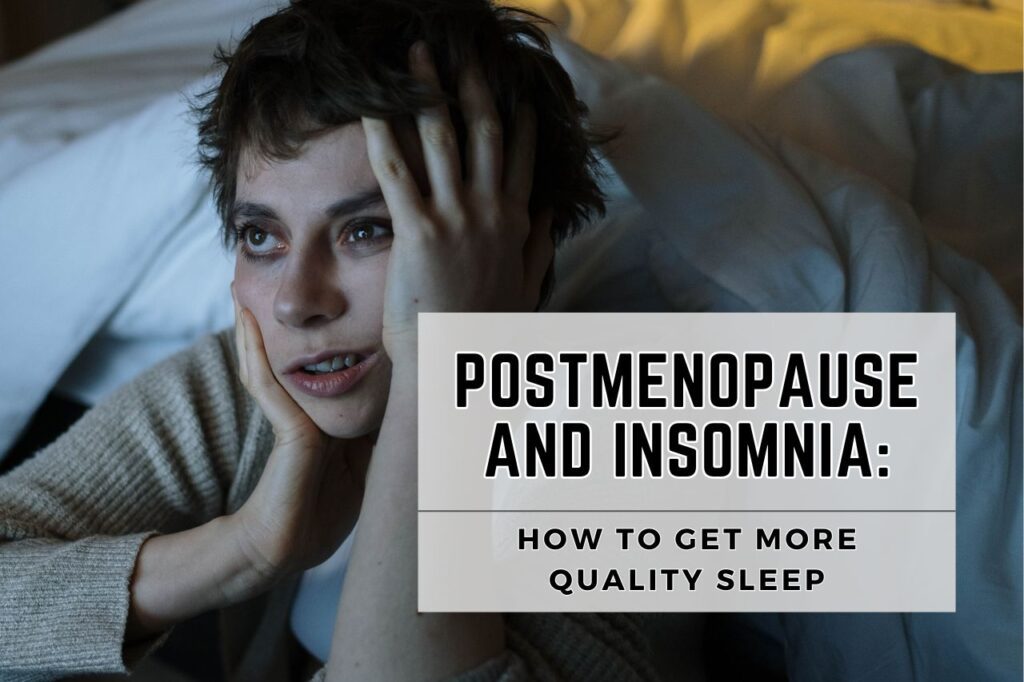
Postmenopause and Insomnia: How to Get More Quality Sleep
Part Three of the Midlife Wellness Series
Insomnia is one of the most common symptoms during pre and postmenopause. If you’re waking up at 2 a.m., unable to fall back asleep, you’re not imagining things. Postmenopause changes how your body sleeps.
Over 50% of women experience sleep disturbances during and after the menopause transition. Many deal with it for years without relief. Postmenopausal insomnia is a real health issue, it’s not all in your mind.
This article breaks down why sleep gets worse after menopause and how to improve it using practical, proven strategies.
Why Insomnia Gets Worse After Menopause
The root cause of insomnia in postmenopausal women is hormonal. Lower estrogen, progesterone, and melatonin levels affect your brain, temperature regulation, and stress response.
Here’s what’s going on:
- Estrogen declines raises your body temperature. This leads to night sweats and disrupted sleep cycles.
- Progesterone drop reduces GABA activity in the brain, which normally helps you relax.
- Melatonin levels fall as you age, making it harder to fall and stay asleep.
- Sleep apnea risk increases, especially with midlife weight gain.
- Mood swings and anxiety often intensify at night, feeding into sleep disruptions.
These changes cause a wide range of sleep problems after menopause, including:
- Trouble falling asleep
- Waking frequently during the night
- Early morning waking
- Daytime fatigue and poor concentration
How to Sleep Better in Postmenopause
Improving your sleep after menopause starts with understanding what your body needs now. Insomnia is not something you have to tolerate. There are ways to reduce hormonal insomnia and get quality rest again.
Here’s how:
1. Cool Down Your Sleep Environment
- Lower your thermostat to 65–68°F.
- Use cooling pillows and breathable sheets.
- Wear lightweight, moisture-wicking sleepwear.
- Avoid hot drinks and spicy foods before bed.
2. Stick to a Consistent Routine
- Go to bed and wake up at the same time every day.
- Keep your room dark, quiet, and screen-free.
- Use blackout curtains and a white noise machine if needed.
3. Be Smart About Naps
- Go nap free as much as possible. If you do nap, no longer than 20 minutes.
- Avoid late-afternoon rest. It interferes with night sleep.
4. Move More During the Day
- Exercise helps regulate cortisol and improve sleep quality.
- Aim for 30 minutes of walking, strength training, or yoga every day.
- Avoid intense workouts late in the evening.
5. Support Your Nervous System
- Try guided Yoga Nidra, breathwork, or progressive muscle relaxation.
- Journaling can help unload your mind before bed.
- Limit evening stimulation from screens or stressful conversations.
6. Review Your Nutrition
- Avoid caffeine after noon.
- Cut back on alcohol, especially in the evening.
- Eat a light, balanced dinner that won’t spike blood sugar.
7. Talk to Your Doctor About Hormonal Support
- Hormone therapy may improve insomnia symptoms.
- Ask about FDA-approved options or bioidentical hormones.
- Work with a provider trained in menopause and sleep disorders in women. Learn more at my related article Here.
When Insomnia Becomes Chronic
If your sleep problems last more than three months, be sure to get professional help. Chronic postmenopausal insomnia increases your risk for:
- Depression and anxiety
- High blood pressure
- Cognitive decline
- Weight gain and insulin resistance
- Osteoporosis and cardiovascular disease
Evidence-based treatments include:
- Cognitive Behavioral Therapy for Insomnia (CBT-I). Learn about the clinical research Here
- Targeted supplements like magnesium glycinate or L-theanine (this was a huge help for me)
- Sleep studies to rule out apnea or restless leg syndrome
My Experience with Postmenopause and Sleep
For me, sleep loss is what pushed me to seek professional help. My sleep was very light, I could tell I was not getting into the deep sleep I once did. Secondly, I began having these episodes at 2-3 am where I would wake up with my heart racing and panic strikend. I would wake up to an overwhelming sense of doom. It would take me about an hour to settle and get back to sleep. As you can imagine, it was a very scary experience.
After talking with my doctor, I learned this was caused by a drop of estrogen accompanied by a surge of cortisol which was sending my nervous system into flight or fight mode. I was exhausted, irritable, and wide awake half the night. Once I addressed my hormones, prioritived Yoga Nidra to my bedtime routine, and made some basic changes to my sleep environment, things improved quickly. You don’t have to live with insomnia. You deserve rest that restores your energy, mood, and strength.
Previous Articles in This Series:
- Menopause Education: Supportive Care in a Challenging Time
- Wellness in Midlife: Staying Strong in Menopause and Perimenopause
- Subscribe below to stay in the loop
- Share this post with a friend struggling with sleep after menopause
I believe in blending lived experience with evidence-based insight. If you’re curious to explore more, here are some of the trusted sources that informed this article.
References
- The North American Menopause Society – Official Website
- Kravitz, H. M., et al. (2023). Insomnia symptoms and sleep quality in postmenopausal women. Sleep Health, Volume 9, Issue 1.
- National Institute on Aging – A Good Night’s Sleep
- Harvard Health – The Importance of Sleep and Your Health

Candy Price
About the Writer:Candy Price is a Certified Personal Trainer (NASM), yoga and Pilates teacher, and founder of Harvesting Health and Happiness. With decades of experience in healthcare and movement, she’s on a mission to help women in midlife and beyond break free from outdated fitness rules and reclaim their strength, energy, and confidence. Her work blends science-backed training, unapologetic self-care, and soul-deep mindset shifts to help women rise strong through the transitions of aging with peace, power, purpose, and zero apologies.

Top Tips To Keep Your Bones Healthy And Strong

Weight Training for Osteopenia: How To Build Stronger Bones

Protein and Bone Health: A Simple Guide

Hydration, Menopause, and Bone Health: The Connection

Lateral Breathing for Core Engagement: A Complete Guide